
Zealthy Hydroquinone Review 2026: Online Prescription Guide
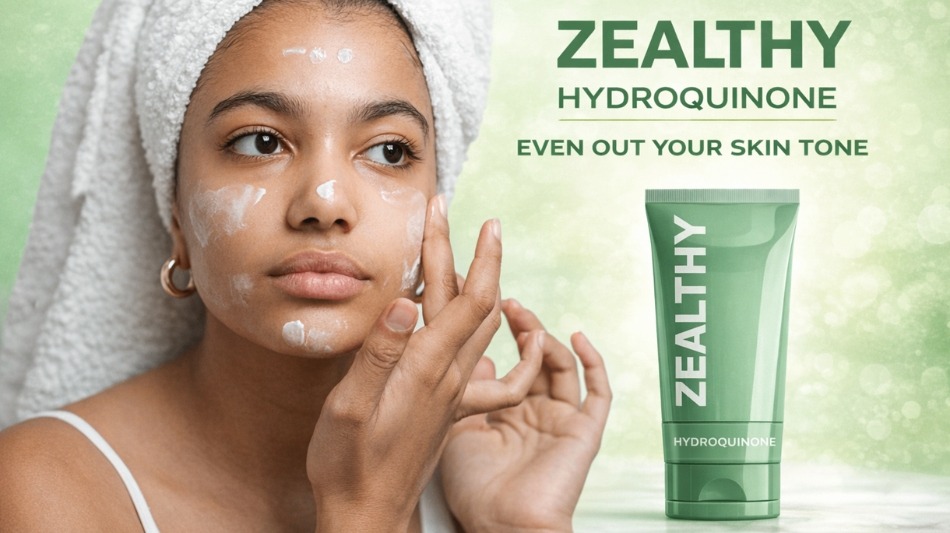 Independent consumer analysis examines Zealthy's online dermatology consultation model for prescription hydroquinone, including published ingredient research, skin tone considerations, realistic treatment timelines, refund terms, and regulatory context for consumers evaluating dark spot treatment options in 2026
NEW YORK CITY, NEW YORK / ACCESS Newswire / March 2, 2026 / Disclaimer: This article is for informational purposes only. It is not medical advice. Prescription treatment requires evaluation by a licensed clinician, and a prescription is not guaranteed. If you purchase through links in this article, a commission may be earned at no additional cost to you. This compensation does not influence the accuracy or integrity of the information presented.
Zealthy Hydroquinone Complete 2026 Overview: Prescription Process, Eligibility Factors, OTC Ingredient Comparisons, and What Consumers Should Verify Before Starting Treatment Online
If you've spent the past year layering vitamin C serums, niacinamide treatments, and drugstore brightening creams on stubborn dark spots and seeing limited or inconsistent improvement, you are not imagining things. For many people dealing with moderate-to-severe hyperpigmentation, melasma, or post-acne dark marks, the reality is that most over-the-counter products may not be formulated at concentrations sufficient for some individuals with moderate-to-severe pigmentation concerns. And the one OTC ingredient that did work for many people, hydroquinone, was removed from U.S. store shelves after a regulatory overhaul reclassified it as requiring a prescription.
That shift left many consumers in a difficult position. In-person dermatology visits may involve higher out-of-pocket costs depending on insurance coverage and region, wait times for new patient appointments can be significant in many areas, and many people simply cannot justify the expense for what they view as a cosmetic concern, even when that concern significantly affects their daily confidence and quality of life.
This is exactly the environment that has made telehealth dermatology platforms a growing category in recent years. Zealthy is one such platform, describing its service as providing access to prescription-strength hydroquinone through an online dermatology consultation. According to the Zealthy hydroquinone page, the current offer is described as a limited-time derm visit for $20, which includes a three-month supply of hydroquinone formula, an online dermatology visit with a licensed provider, and free shipping on the prescribed medication. Verify current pricing at checkout, as promotional terms can change without notice.
You are probably here because you saw an ad, heard about Zealthy from someone, or searched for a Zealthy hydroquinone review and wanted the full picture before making a decision. We'll cover what prescription hydroquinone actually is, how the platform is structured, who it may and may not be well-suited for, what the published research says at the ingredient level, what realistic timelines look like, and every consideration worth weighing before you start.
View the current Zealthy Hydroquinone offer (official Zealthy page)
Before purchasing, confirm your eligibility, total charges at checkout, and refund and subscription terms on the official Zealthy website.
What Zealthy's Hydroquinone Offer Includes (As Described by the Company)
According to the Zealthy hydroquinone page, the current promotional offer is described as a limited-time derm visit for $20. The company states this includes a three-month supply of prescription-strength hydroquinone formula customized for the patient's skin, an online dermatology visit with a licensed provider, and free shipping on the prescribed medication.
One thing to understand upfront: a prescription is not guaranteed. Per the published Terms of Use, Zealthy does not guarantee that a prescription will be written or that any particular treatment will be recommended. The evaluating clinician determines whether treatment is medically appropriate based on individual health factors.
Consumers should verify current pricing directly on the official Zealthy hydroquinone page at try.getzealthy.com/hydroquinone/ before beginning the consultation process, as promotional terms can change without notice. Any additional renewals, refills, or future charges beyond the initial offer should be confirmed during checkout and in the subscription and refund policy.
Why Prescription Hydroquinone, and Why Now: The OTC Landscape in 2026
Understanding where hydroquinone stands in 2026 requires a brief look at what changed and why it matters for your decision.
Hydroquinone was available over the counter in the United States for decades, typically at 2% concentration, sold under familiar brand names at pharmacies and beauty retailers nationwide. It has long been described in dermatology literature as a commonly used topical depigmenting agent.
That ended with the passage of the Coronavirus Aid, Relief, and Economic Security (CARES) Act in March 2020. While primarily pandemic-relief legislation, the CARES Act included a major overhaul of the FDA's OTC drug monograph system. Under this reform, hydroquinone was determined not to be generally recognized as safe and effective for OTC use. Effective September 23, 2020, OTC skin-lightening products containing hydroquinone without an FDA-approved application must be removed from the U.S. marketplace.
The FDA's concerns were based in part on animal studies suggesting potential carcinogenicity at high doses and documented cases of exogenous ochronosis, a rare but disfiguring bluish-black skin discoloration linked to prolonged, unmonitored use. The FDA cited these safety concerns as part of why hydroquinone is not permitted for OTC skin-lightening products under the current framework. Clinicians may still prescribe hydroquinone when they determine it is appropriate for an individual patient, typically with time-limited use and monitoring.
The practical result for consumers in 2026 is that hydroquinone is now available in the United States only with a prescription from a licensed healthcare provider. Tri-Luma is currently the only FDA-approved drug containing hydroquinone and is approved for the short-term treatment of dark spots associated with moderate-to-severe facial melasma. This regulatory reclassification is structural in nature, and the current framework requires a prescription pathway for access.
This is why prescription access typically requires clinician evaluation rather than self-directed OTC use, and it is exactly what has driven consumer interest toward telehealth platforms that can provide that prescription access without the cost and scheduling barriers of traditional in-person dermatology.
Read: Compounded Prescription Details, Online Dermatology Consultation Pricing, and What Consumers Should Verify Before Starting Treatment
How Zealthy Is Structured: Three Separate Entities You Should Understand
Before evaluating whether Zealthy's hydroquinone service might be appropriate for your situation, you need to understand that this is not a simple online purchase. Per the Zealthy Terms of Use (available at getzealthy.com/terms-of-use), there are three distinct entities involved, and knowing who does what helps you set realistic expectations and know who to contact if questions arise.
Zealthy (FitRX, LLC) functions as the telehealth platform. Per the published Terms of Use, Zealthy itself does not provide medical care, prescribe medications, or act as a healthcare provider. The Terms state that Zealthy is a technology platform that facilitates connections between independent healthcare providers and patients through synchronous and asynchronous telecommunications technologies. The company is operated by FitRX, LLC.
Licensed Medical Providers are independent healthcare professionals who review patient information and determine whether prescriptions are appropriate. Per the Terms of Use, all medical services, including prescriptions and treatment decisions, are provided solely by independent healthcare providers associated with affiliated medical groups, including Bruno Health, P.A. and Outlast Health. The Terms explicitly state these providers are not employed by or agents of Zealthy. The platform cannot guarantee that any individual will receive a prescription, as that determination rests entirely with the evaluating clinician.
Partner Pharmacies fulfill prescriptions written by the medical providers. When a prescription is written through the platform, it is filled and shipped by a partner pharmacy. The specifics of how each prescription is prepared, including whether it involves compounding, depend on the pharmacy fulfilling the prescription and the formulation prescribed by the provider. Consumers should confirm the nature of their specific prescription with the dispensing pharmacy.
You should also understand the distinction between different types of prescription products. FDA-approved prescription products, such as Tri-Luma, have gone through the full FDA approval process including clinical trials demonstrating safety and efficacy. Compounded prescription medications, by contrast, are prepared by a licensed pharmacy for an individual patient based on a specific prescription. Compounded drugs are not FDA-approved as finished products. Patients can ask the dispensing pharmacy what formulation is being provided and what counseling information applies. The evaluating clinician determines whether this option is appropriate based on individual health factors.
This three-entity structure is common across telehealth platforms and ensures appropriate separation between the technology platform, clinical decision-making, and medication dispensing.
The Ingredient: What Published Research Shows About Hydroquinone
This section covers ingredient-level research on hydroquinone as an active compound. This is ingredient-level research; Zealthy's prescription hydroquinone formula as a finished product has not been independently clinically studied by third parties. These individual research findings do not mean the specific Zealthy product replaces prescribed treatment from a dermatologist.
Hydroquinone has been used in dermatology for over five decades and is described in published dermatological literature as a commonly used topical depigmenting agent. According to the StatPearls clinical reference (StatPearls, National Library of Medicine), it is clinically used to treat areas of dyschromia, including melasma, post-inflammatory hyperpigmentation, solar lentigines, and freckles.
The ingredient works by inhibiting tyrosinase, an enzyme central to melanin production in the skin. By reducing melanin synthesis in treated areas, hydroquinone may help improve the appearance of areas with excess pigmentation. Published research has demonstrated dose-dependent effects on pigmentation, with prescription-strength concentrations at 4% and above generally showing more significant results than the 2% concentrations that were previously available over the counter.
A 2025 randomized clinical trial published in the Journal of Cosmetic Dermatology notes that triple-combination topical therapy (fluocinolone acetonide, hydroquinone, and tretinoin) is widely described as a standard topical approach for melasma in clinical practice (Journal of Cosmetic Dermatology, 2025). This body of research also emphasizes that broad-spectrum sunscreen with UVA, UVB, and visible-light coverage is considered essential during any melasma treatment protocol.
A 2025 network meta-analysis published in a peer-reviewed journal compared 15 melasma treatment modalities across 14 randomized controlled trials (network meta-analysis, 14 RCTs, 2025). The analysis found that 4% hydroquinone remains a benchmark comparator for melasma treatment efficacy, with certain combination therapies showing comparable or potentially favorable results in specific study populations.
These are individual research findings about the ingredient hydroquinone, not claims about any specific prescription product. Individual results vary. Clinician guidance and sun protection are essential. The prescribing clinician evaluating your case determines whether hydroquinone is appropriate for your individual skin and health factors.
How Hydroquinone Compares to Common OTC Alternatives: An Ingredient-Level Overview
If you've been shopping for dark spot products, you have likely encountered many of the following ingredients. Understanding how they differ from hydroquinone at the ingredient research level may help you have a more informed conversation with a prescribing clinician about what might be appropriate for your situation.
Vitamin C (Ascorbic Acid) is a widely available antioxidant that published research has associated with mild brightening effects through tyrosinase inhibition and oxidative stress reduction. It is generally well tolerated and available without a prescription. However, published research suggests it is most effective for mild hyperpigmentation and as part of a broader regimen rather than as a standalone treatment for moderate-to-severe cases. Vitamin C's instability in many formulations can also reduce its effectiveness.
Niacinamide (Vitamin B3) has published research supporting its ability to help reduce melanin transfer from melanocytes to keratinocytes, which may gradually improve the appearance of uneven skin tone. It is gentle, available over the counter, and works well as an adjunct ingredient. Published studies suggest it is generally milder in effect than hydroquinone for treating established hyperpigmentation.
Alpha Arbutin is a naturally occurring derivative of hydroquinone that works through a similar tyrosinase-inhibiting mechanism but at a gentler level. It is available without a prescription and is generally well tolerated, though published research indicates its efficacy is concentration-dependent and typically less potent than prescription-strength hydroquinone.
Kojic Acid is derived from fungi and inhibits tyrosinase. It is available over the counter and has published research supporting its use in mild-to-moderate hyperpigmentation. Some people experience skin sensitivity or contact dermatitis with kojic acid.
Tranexamic Acid has emerged as a significant ingredient in hyperpigmentation treatment, available both topically and orally. Published dermatological research has endorsed oral tranexamic acid as a systemic adjunct to topical melasma treatment, and several studies have shown promising results, particularly when combined with other treatment modalities. This is one of the more notable developments in hyperpigmentation treatment in recent years.
Azelaic Acid is available in both prescription and non-prescription strengths. Published research has compared it favorably to hydroquinone for certain types of hyperpigmentation, and some dermatological sources note it may be a reasonable option for patients with concerns about hydroquinone. It has a favorable safety profile and is generally well tolerated across skin tones.
Tretinoin (Prescription Retinoid) is frequently prescribed alongside hydroquinone or as part of combination formulations. It promotes cell turnover and enhances penetration of other active ingredients. On its own, published research suggests it requires longer treatment periods for visible improvement in the appearance of hyperpigmentation and is associated with irritation, particularly during initial use.
The reason so many people searching for dark spot solutions in 2026 end up considering prescription options is not that OTC ingredients are useless. It is that for moderate-to-severe cases, particularly melasma, the published evidence suggests prescription-strength treatments under medical supervision tend to produce more meaningful visible improvement in the appearance of hyperpigmentation than OTC products used alone.
View the current Zealthy Hydroquinone offer (official Zealthy page)
Dark Spot Conditions: A Breakdown of What You May Be Dealing With
Part of what makes dark spot treatment so frustrating is that "dark spots" is not a single condition. Different types of hyperpigmentation have different underlying causes, respond differently to treatment, and carry different prognoses. Understanding which category your concern falls into is an important step, whether you pursue treatment through Zealthy or any other pathway.
Melasma presents as larger patches of brown or grayish-brown discoloration, typically on the face, often in a symmetric pattern across the cheeks, forehead, bridge of the nose, and upper lip. It is driven primarily by hormonal factors and UV exposure. Melasma disproportionately affects women, particularly during pregnancy, while using oral contraceptives, or during hormonal transitions. Published research indicates melasma is more prevalent in individuals with darker skin tones, particularly Fitzpatrick skin types III through VI, and is considered one of the most challenging pigmentation conditions to manage because of its tendency to recur.
Post-Inflammatory Hyperpigmentation (PIH) develops after skin inflammation or injury, leaving behind darkened areas where the original condition has healed. PIH is particularly common and often more persistent in individuals with darker skin tones. According to dermatological sources, individuals with Fitzpatrick skin types III through VI may develop more intense and persistent PIH compared to lighter skin tones, and the resulting marks can persist for months or even years without treatment.
Solar Lentigines (Sun Spots / Age Spots) are flat, well-defined dark spots caused by cumulative UV exposure over years or decades. They are most common on sun-exposed areas like the face, hands, and arms. Unlike melasma, they are not hormonally driven and tend to be more straightforward to address with depigmenting treatments.
Hormonal Pigmentation encompasses darkening that occurs during specific hormonal shifts, including pregnancy, birth control use, and perimenopause or menopause. This type of pigmentation often overlaps clinically with melasma and may require ongoing management since hormonal triggers can continue or recur.
To be clear, this is not a self-diagnosis guide. The conditions described above are intended to help you have a more informed conversation with the evaluating clinician about your specific situation. Only a licensed healthcare provider can determine an appropriate diagnosis and treatment plan.
Skin Tone Considerations: An Important Factor in Treatment Decisions
This deserves its own section because it is one of the most underserved areas in commercial skincare content, and it directly affects treatment safety and expectations.
Published dermatological research consistently notes that individuals with darker skin tones face unique considerations when using depigmenting agents like hydroquinone. According to patient education guidance published by the Skin of Color Society (skinofcolorsociety.org), hydroquinone should be used under the supervision of a dermatologist, applied only to affected darkened areas to avoid lightening normal skin, and should not be used for extended periods as it can paradoxically cause darkening.
The specific concern is exogenous ochronosis, which, according to published literature, is more commonly observed in individuals with darker skin tones who use hydroquinone at high concentrations or for prolonged, unmonitored periods. This is why medical supervision during treatment is strongly recommended, and why the shift from unsupervised OTC access to prescription-supervised access may actually improve safety for many consumers.
For individuals with darker skin tones considering prescription hydroquinone through any telehealth platform, the following points are worth discussing with the evaluating clinician: appropriate concentration for your specific skin type, recommended treatment duration and cycling schedule, sun protection requirements, signs to watch for that would indicate treatment should be paused or stopped, and whether combination approaches might be more appropriate than hydroquinone alone.
The goal of any hyperpigmentation treatment for darker skin is improving evenness and reducing the appearance of unwanted pigmentation, not lightening the skin overall. A clinician experienced with skin of color will understand this distinction and tailor treatment recommendations accordingly.
Who Zealthy Hydroquinone May Be Right For
Zealthy Hydroquinone May Align Well With People Who:
Have moderate-to-severe hyperpigmentation that has not responded to over-the-counter products: If you've been consistently using OTC brightening products for several months without meaningful improvement in the appearance of dark spots or uneven skin tone, prescription-strength treatment may be worth discussing with a clinician. The Zealthy platform provides access to that clinical conversation without requiring an in-person dermatology visit.
Face barriers to traditional in-person dermatology access: Dermatology practices in many areas have significant wait times for new patient appointments. If scheduling difficulties, geographic distance, out-of-pocket cost of in-office visits, or mobility constraints make in-person visits impractical, a telehealth consultation may offer a more accessible pathway to prescription evaluation.
Are dealing with the "where did my hydroquinone go" problem: If you previously used OTC hydroquinone products effectively and have been unable to find them since the 2020 regulatory change, you already know the ingredient worked for your skin. The prescription pathway through telehealth restores access to what the regulatory shift removed, though at prescription strength rather than the 2% OTC concentration you may have used before.
Want to start treatment with a realistic seasonal timeline in mind: Starting a prescription treatment in spring allows approximately three months of consistent use before peak summer sun exposure, which aligns with the typical treatment cycle duration. This is a practical timing consideration, not a guarantee of specific results within that timeframe.
Other Options May Be Preferable For People Who:
Prefer an FDA-approved finished product: If you prefer a hydroquinone product that has gone through the full FDA approval process, discuss commercially manufactured prescription options with your healthcare provider. Tri-Luma is currently the only FDA-approved drug containing hydroquinone and is approved for the short-term treatment of dark spots associated with moderate-to-severe facial melasma.
Have complex, severe, or treatment-resistant skin conditions: Some skin conditions benefit from physical examination, dermoscopy, biopsy, or procedures that cannot be performed through an asynchronous telehealth evaluation. If your dermatological concerns are complex or have not responded to previous prescription treatment, an in-person evaluation may be more appropriate.
Are pregnant, breastfeeding, or planning to conceive: Hydroquinone is generally not recommended during pregnancy, breastfeeding, or when planning to conceive. Discuss alternative treatment approaches with your healthcare provider.
Have a history of exogenous ochronosis or severe sensitivity to hydroquinone: If you've previously experienced ochronosis or significant adverse reactions to hydroquinone, discuss this history with the evaluating clinician before considering any hydroquinone-based treatment.
Are uncomfortable with the all-sales-final medication policy: According to Zealthy's published Subscription, Cancellation and Refund Policy, prescription medication purchases are final and cannot be returned or refunded. Review the complete policy at getzealthy.com before starting.
Questions to Ask Yourself:
Have you had your skin concerns looked at by a healthcare provider to rule out underlying conditions? Have you been consistent with OTC treatments for at least two to three months, and are you confident the lack of results is not due to inconsistent use? Are you prepared to commit to rigorous daily broad-spectrum sunscreen use during and after treatment? Have you reviewed the subscription and refund terms at getzealthy.com and are you comfortable with the non-refundable medication policy? Do you understand the distinction between FDA-approved and compounded formulations, and have you considered whether that distinction matters for your comfort level? Are you willing to follow the prescribed treatment cycle, including recommended break periods?
Your answers help determine whether prescription hydroquinone through a telehealth platform matches your specific situation and expectations. Different treatment pathways serve different needs, and the most important step is making an informed decision that aligns with your health circumstances and comfort level.
View the current Zealthy Hydroquinone offer (official Zealthy page)
What the Process Looks Like, According to the Company
According to the Zealthy hydroquinone page, the process is designed to be straightforward. The company describes the steps as follows.
First, you complete an online dermatology consultation. This involves answering questions about your skin concerns, your health history, and your treatment goals. According to the company, signing up takes approximately 5 minutes. The consultation is described as fully online, meaning no in-person appointment or live video call is required for the initial evaluation.
A licensed dermatology provider then reviews your information and, if they determine it is medically appropriate, creates a treatment plan. A prescription is not guaranteed. Per the Terms of Use, Zealthy does not guarantee that a prescription will be written or that any particular treatment will be recommended. The provider will only issue a prescription if they determine it is medically relevant and appropriate, which is consistent with standard telehealth practice and applicable medical regulations.
If a prescription is written, the hydroquinone formula is prepared by a partner pharmacy and shipped directly to your home. According to the Zealthy hydroquinone page, free shipping is included.
After treatment begins, patients have access to messaging with their care team for follow-up questions. Messaging access does not replace emergency care, and response times can vary. Per the Terms of Use, the platform is not for use in emergencies, and users should dial 911 for any medical emergency.
Pricing, Billing, and Refund Terms to Confirm Before You Enroll
According to the Zealthy hydroquinone page, the online dermatology consultation is currently described as a limited-time offer at $20. The company states this includes a three-month supply of hydroquinone formula, an online dermatology visit, and free shipping. According to the published subscription and refund policy, the consultation fee and any membership charges are separate from medication costs.
According to Zealthy's published Subscription, Cancellation, and Refund Policy, prescription medications are all final sale. The company states this is to protect the integrity of medications and comply with applicable laws. Consultation fees and membership charges are also described as non-refundable. The company reserves refunds for processing errors. According to the company, you can cancel at any time and will not be charged for the following month, but refunds are not available for prescription drugs or fees already paid.
Before submitting payment, confirm: (1) total charges today, (2) whether a membership applies, (3) renewal and refill terms, (4) cancellation timing, and (5) the prescription final-sale policy.
These terms are important to understand fully before committing. Verify current pricing, subscription structure, and complete refund terms on the official Zealthy website at getzealthy.com before beginning.
View the current Zealthy Hydroquinone offer (official Zealthy page)
Realistic Timeline Expectations: What Published Research Suggests
Zealthy does not publish a week-by-week guaranteed timeline on the hydroquinone page. The company describes a three-month supply structure, which aligns with the typical hydroquinone treatment cycle documented in published clinical literature. Individual experiences vary widely based on factors including the type and severity of hyperpigmentation, skin tone, consistency of use, sun exposure, genetic factors, and concurrent treatments.
Based on how hydroquinone-based regimens are generally used in dermatological practice, and on published clinical literature (not specific to any individual product), some patients may notice changes along the following rough pattern, although individual experiences vary widely and no specific timeline is guaranteed.
During the first few weeks, some people experience mild adjustment effects such as slight redness, dryness, or a tingling sensation as the skin acclimates to the active ingredient. Visible improvement in the appearance of pigmentation is not typically expected during this early period.
Around weeks four through eight, some published studies suggest initial improvement in the appearance of hyperpigmentation may begin to become noticeable for some patients. This is the period where many clinical studies begin measuring outcomes. Results are not uniform, and some individuals may not notice changes during this window.
Around weeks eight through twelve, continued improvement may occur with consistent use and rigorous sun protection. The three-month mark represents a common assessment point in clinical practice, where prescribing clinicians evaluate progress and determine whether to continue, modify, or pause treatment.
After the initial treatment cycle, a break period is typically recommended. Hydroquinone is generally prescribed in cycles rather than continuous long-term use, specifically to minimize the risk of side effects associated with prolonged exposure. Your prescribing clinician will determine the appropriate cycling schedule for your situation.
Clinical literature consistently emphasizes that sun protection is critical throughout and after treatment. Hydroquinone increases skin sensitivity to UV radiation, and sun exposure without adequate broad-spectrum protection can directly counteract treatment progress or worsen the condition being treated. Clinical literature consistently emphasizes that sun protection is a critical component of any hydroquinone treatment protocol. Individual results vary, and clinician guidance along with consistent sun protection are essential.
Safety Considerations
Zealthy's prescription hydroquinone contains prescription-strength actives. They are generally well tolerated when used as directed under medical supervision, but you should understand what to expect. The following points are a high-level overview, not a complete list of risks or precautions.
Common side effects may include mild skin irritation, redness, dryness, and a mild burning or stinging sensation during the initial adjustment period. These effects are generally temporary and may diminish as the skin adjusts to treatment.
Sun sensitivity is a significant consideration. Daily use of a broad-spectrum sunscreen with adequate SPF is essential during treatment and for a period after discontinuation, as UV exposure can worsen hyperpigmentation and counteract treatment progress.
Exogenous ochronosis is a rare but documented side effect associated primarily with long-term, continuous, unmonitored hydroquinone use. Published literature notes it is more commonly observed in individuals with darker skin tones and at higher concentrations. Medical supervision and treatment cycling are key safeguards against this risk.
Pregnancy and breastfeeding: Hydroquinone is generally not recommended during pregnancy, breastfeeding, or when planning to conceive. Discuss appropriate timing with your healthcare provider.
Drug and product interactions: Avoid using hydroquinone simultaneously with products containing benzoyl peroxide or other strong peroxides, which may cause temporary staining or skin discoloration. Inform your prescribing clinician about all other topical products and medications you are currently using.
This is not a replacement for prescribed medical treatment for any skin condition or other health issue. Always consult your physician if you have health concerns, take other medications, or have any questions before starting.
Note: This safety overview is not exhaustive and does not replace the Patient Drug Education or official prescribing information. Always review the full safety information that comes with your prescription and consult your prescriber or pharmacist with any questions.
The Case for Zealthy Hydroquinone and Considerations to Weigh
The Case For: Zealthy addresses a genuine access problem created by the 2020 regulatory change that removed OTC hydroquinone from U.S. shelves. For consumers who already know hydroquinone worked for their skin, or who have exhausted OTC alternatives without meaningful improvement in the appearance of hyperpigmentation, the platform offers a pathway to prescription evaluation without the cost, scheduling, and geographic barriers of traditional in-person dermatology. The promotional consultation price described on the Zealthy hydroquinone page (verify current pricing at try.getzealthy.com/hydroquinone/) represents a lower barrier to entry than the out-of-pocket cost of a typical in-office dermatology visit, which may vary depending on insurance coverage and region. The three-month supply structure aligns with published treatment cycling recommendations.
Considerations to Weigh: The specific nature of the prescription formulation, including whether it involves compounding, should be confirmed with the dispensing pharmacy. If the product is a compounded formulation, consumers should understand that compounded medications have not been reviewed by the FDA as finished products, a distinction worth understanding fully. The all-sales-final prescription policy means there is no refund if the treatment does not produce the results you hoped for or if you experience side effects that lead you to discontinue. The asynchronous telehealth evaluation, while convenient, is not a substitute for a comprehensive in-person dermatological examination. For complex or severe skin conditions, in-person care may be more appropriate.
Transparency Note: The FDA issued a warning letter to FitRX, LLC dba Zealthy dated September 9, 2025. Readers can review it in the FDA's Warning Letters database at fda.gov. Consumers should review the most current information about any platform's compliance and regulatory standing before proceeding.
Frequently Asked Questions
Why can I no longer find hydroquinone at the drugstore?
The 2020 CARES Act included an overhaul of the FDA's OTC drug monograph system. Under this reform, hydroquinone was determined not to be generally recognized as safe and effective for OTC use. Effective September 23, 2020, OTC products containing hydroquinone must be removed from the U.S. marketplace. Hydroquinone is now available only with a prescription from a licensed healthcare provider.
Is a prescription guaranteed through Zealthy?
No. Per the published Terms of Use, Zealthy does not guarantee that a prescription will be written or that any particular treatment will be recommended. The evaluating clinician determines whether treatment is medically appropriate based on individual health factors. This is consistent with standard telehealth practice and applicable medical regulations.
Is Zealthy itself a healthcare provider?
Per the published Terms of Use (available at getzealthy.com/terms-of-use), Zealthy is a technology platform operated by FitRX, LLC. The Terms state that Zealthy itself does not provide medical care, prescribe medications, or act as a healthcare provider. The platform facilitates connections between patients and independent licensed healthcare providers who make clinical decisions about treatment.
What type of prescription product is the hydroquinone?
The Zealthy hydroquinone page describes it as a prescription hydroquinone formula. Consumers should confirm the specific nature of their prescription with the dispensing pharmacy. Some prescriptions may be filled as compounded medications. Compounded drugs are not FDA-approved as finished products. Patients can ask the dispensing pharmacy what formulation is being provided and what counseling information applies. Tri-Luma is currently the only FDA-approved drug containing hydroquinone.
Is prescription hydroquinone safe for darker skin tones?
Hydroquinone can be used across skin tones, but individuals with darker skin types face specific considerations that make medical supervision especially important. Published dermatological literature notes that the risk of exogenous ochronosis is more commonly observed in individuals with darker skin tones, particularly with prolonged or unsupervised use. This is a conversation to have specifically with the prescribing clinician.
How long does treatment typically take?
Published clinical literature suggests some patients may notice initial visible improvement around four to eight weeks, with continued improvement over a typical three-month treatment cycle. Results vary significantly based on the type and severity of hyperpigmentation, skin tone, consistency of use, sun protection compliance, and other individual factors. Some conditions, particularly melasma, may require ongoing management rather than a single treatment course.
Will my dark spots come back after I stop treatment?
This depends on the type of hyperpigmentation. Melasma in particular is widely described in clinical literature as having a tendency to recur, especially with continued UV exposure or hormonal fluctuations. Rigorous sun protection is the single most important factor in maintaining treatment results.
Can I get a refund if I am not satisfied?
According to Zealthy's published refund policy, prescription medication purchases are final and cannot be returned or refunded. Consultation fees and membership charges are also described as non-refundable. Review the complete policy at getzealthy.com before beginning.
Does insurance cover Zealthy's treatment?
Many direct-to-consumer prescription products are not covered by traditional insurance plans, but coverage policies vary. Always confirm benefits directly with your insurer. Some HSA/FSA plans may reimburse qualifying expenses; check your specific plan rules.
Are there alternatives to hydroquinone I should consider?
Yes. Azelaic acid, tranexamic acid, tretinoin, vitamin C, niacinamide, alpha arbutin, and kojic acid are among the alternatives with published research supporting their use in improving the appearance of hyperpigmentation. A prescribing clinician can help determine which approach or combination is most appropriate for your specific condition and skin type.
Is Zealthy available in all states?
Telehealth availability varies by state and clinical eligibility. Confirm that your state is covered during the intake process, and review the most current terms on Zealthy's official pages before purchasing.
What did the FDA warning letter to Zealthy involve?
The FDA issued a warning letter to FitRX, LLC dba Zealthy dated September 9, 2025. Readers can review it in the FDA's Warning Letters database at fda.gov. This information is provided for transparency so consumers can conduct their own due diligence.
What should I verify before starting?
Before beginning any telehealth prescription treatment, consider verifying the platform's current business information and contact details at getzealthy.com/contactus, reviewing the Terms of Use at getzealthy.com/terms-of-use, confirming your state's coverage, reviewing the complete refund and cancellation policy, and discussing any questions with the prescribing clinician during your consultation. You can also verify a prescribing provider's license through your state medical board.
Is a Zealthy hydroquinone review reliable for making my decision?
Any review, including this one, should be one part of your research process. This article provides published ingredient research, platform structure information, and compliance considerations to help you make an informed decision. The most reliable guidance for your individual situation comes from the evaluating clinician during the consultation process, who can assess your specific skin condition, health history, and treatment needs.
Contact Information
For questions before or during the consultation process, according to the company's contact page, Zealthy offers customer support:
Company: Zealthy
Phone: +1 (877) 870-0323
Email: [email protected]
View the current Zealthy Hydroquinone offer (official Zealthy page)
Disclaimers
Content and Medical Disclaimer: This article is for informational purposes only and is not a substitute for professional medical advice, diagnosis, or treatment. The descriptions of potential benefits are not guarantees and are not a substitute for an individualized medical evaluation. Prescription hydroquinone requires evaluation by a licensed clinician, and a prescription is not guaranteed. The information provided here does not replace the professional judgment of your healthcare provider.
Professional Medical Disclaimer: This article is educational and does not constitute medical advice. Prescription hydroquinone is not a substitute for prescribed medical treatment. If you are currently taking medications, have existing health conditions, are pregnant or nursing, or are considering any major changes to your health regimen, consult your physician before starting any new prescription treatment. Do not change, adjust, or discontinue any medications or prescribed treatments without your physician's guidance and approval.
Prescription Medication Notice: Prescription hydroquinone formulations may be prepared as compounded prescriptions by a licensed pharmacy based on an individual prescription. Compounded medications are not reviewed or approved by the FDA as finished products. Patients can ask the dispensing pharmacy what formulation is being provided and what counseling information applies. Tri-Luma is currently the only FDA-approved drug containing hydroquinone and is approved for the short-term treatment of dark spots associated with moderate-to-severe facial melasma.
Results May Vary: Individual results will vary based on factors including age, baseline skin condition, sun exposure history, skin tone, type of hyperpigmentation, consistency of use, genetic factors, current medications, concurrent skincare products, and other individual variables. While some patients may notice improvements in the appearance of hyperpigmentation, results are not guaranteed. Melasma in particular is described in clinical literature as a chronic, relapsing condition that may require ongoing management.
FTC Affiliate Disclosure: This article contains affiliate links. If you purchase through these links, a commission may be earned at no additional cost to you. This compensation does not influence the accuracy, neutrality, or integrity of the information presented. All descriptions are based on published research and publicly available information. The affiliate link domain (healthsupportcenter.org) is not Zealthy's official website. The official Zealthy website is getzealthy.com, and the official hydroquinone offer page is try.getzealthy.com/hydroquinone/.
Pricing Disclaimer: All prices, discounts, and promotional offers mentioned were accurate at the time of publication (March 2026) but are subject to change without notice. Always verify current pricing and terms on the official Zealthy website at getzealthy.com before making your purchase.
Publisher Responsibility: The publisher of this article has made every effort to ensure accuracy at the time of publication. We do not accept responsibility for errors, omissions, or outcomes resulting from the use of the information provided. Readers are encouraged to verify all details directly with Zealthy and their healthcare provider before making decisions.
Insurance Coverage Note: Many direct-to-consumer prescription products are not covered by traditional insurance plans, but coverage policies vary. Always confirm benefits directly with your insurer. Some HSA/FSA plans may reimburse qualifying expenses; check your specific plan rules.
Regulatory Oversight Note: Telehealth services are subject to oversight by state medical boards, which establish telemedicine practice standards and prescribing rules. Pharmacy dispensing is subject to oversight by state boards of pharmacy. The FDA regulates drug products, including the OTC monograph system under which hydroquinone's regulatory status was changed. Consumers can verify a prescribing provider's license through their state medical board and can review FDA enforcement actions through the FDA's publicly available databases.
SOURCE: Zealthy